Advanced Laparoscopy
& Hysteroscopy in Bandra East
Hearing that you may need to undergo surgery in your uterus, ovaries or fallopian tubes must be a source of many doubts for you. Would it hurt? How much time will it take to recover? Is surgical intervention required at all? Laparoscopy and hysteroscopy are minimally invasive procedures which allow a gynecologist to examine and treat a variety of ailments through tiny incisions or even without making any incisions.
Dr. Snehal Patil provides expert laparoscopy and hysteroscopy services at Bandra East for conditions such as fibroids, cysts, heavy bleeding, endometriosis, and infertility. Every patient’s situation is different, and the right treatment method will be determined by your individual condition. It will be discussed with you prior to making any decisions.
What Are Laparoscopy and Hysteroscopy?
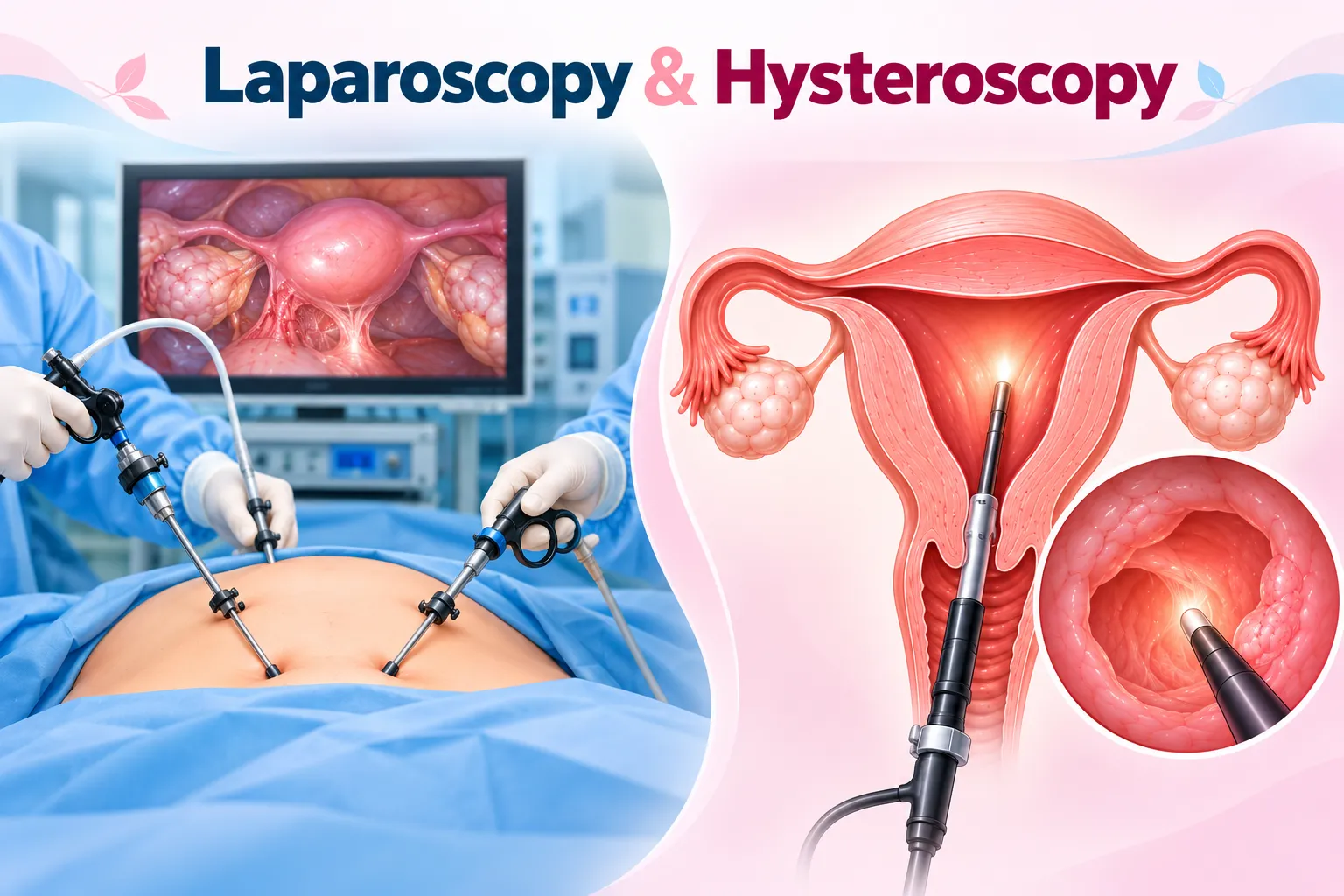
Both methods involve the use of a thin tube with a camera that magnifies the internal organs of your body. The only difference between the two is the area where the doctor has to look.
Laparoscopy
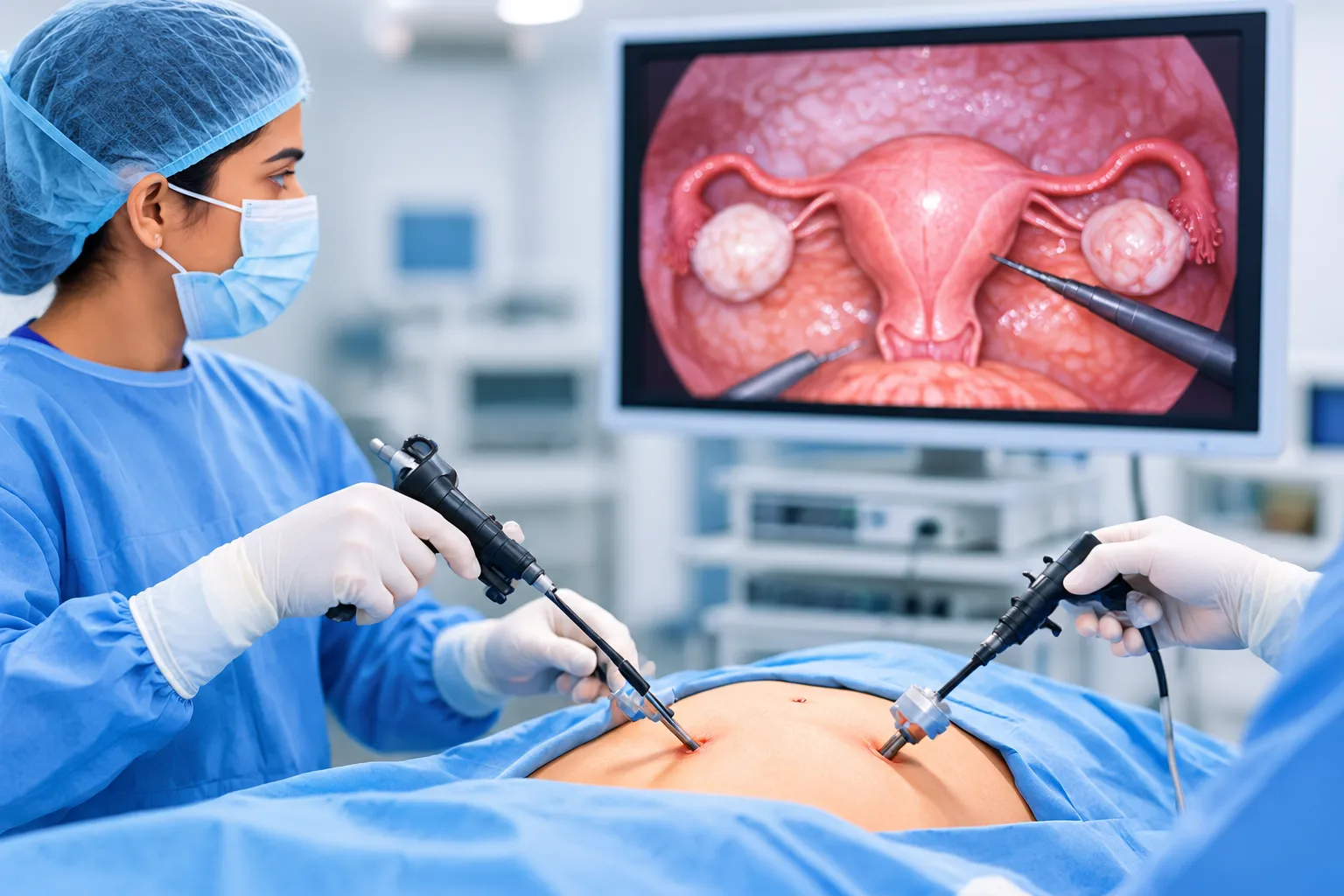
Small incisions measuring about half an inch to one centimeter are made in the abdominal region. Through these incisions, various tools are inserted, and the outer surfaces of the uterus, ovaries, and fallopian tubes are viewed.
Hysteroscopy
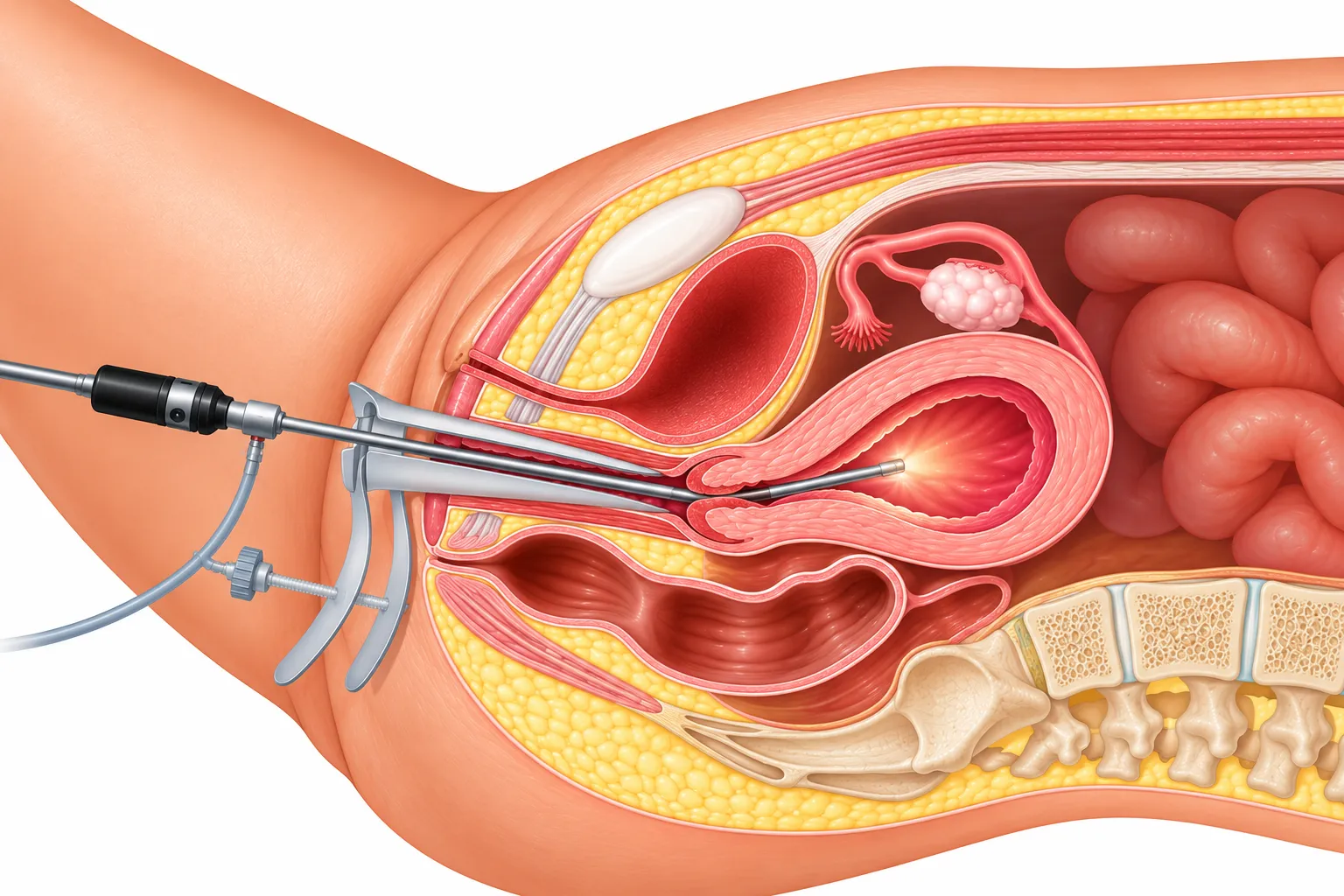
During this process, a narrow scope is inserted into the womb through the vagina and cervix, without making any incisions in the skin. The lining of the womb is examined by the surgeon.
Both methods can be used for diagnosis or treatment of the problem in the same sitting. Your gynecologist will suggest which method is better for you after examining you and your reports.
When Do You Need Laparoscopy or Hysteroscopy?
The necessity for such interventions is not always there in the case of every woman who is affected by certain gynecological disorders. However, such methods may be recommended in cases when scanning, drugs, or something else fails to work effectively.
Conditions Treated with Laparoscopy
Fibroid Tumors
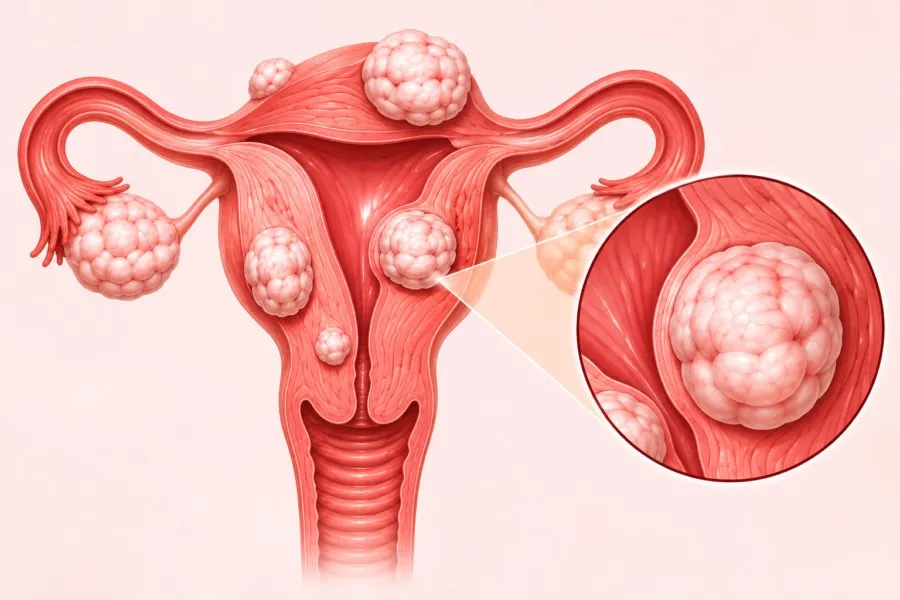
Tumors that arise inside the uterus. These are known to cause heavy menstrual bleeding, pain, and cramping.
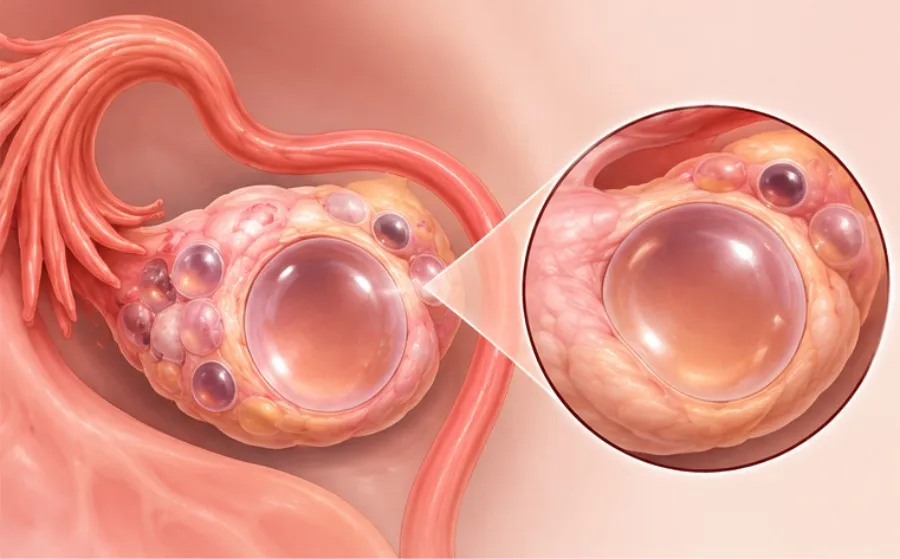
Ovarian Cysts
These are cysts that arise inside the ovary, being large in size.
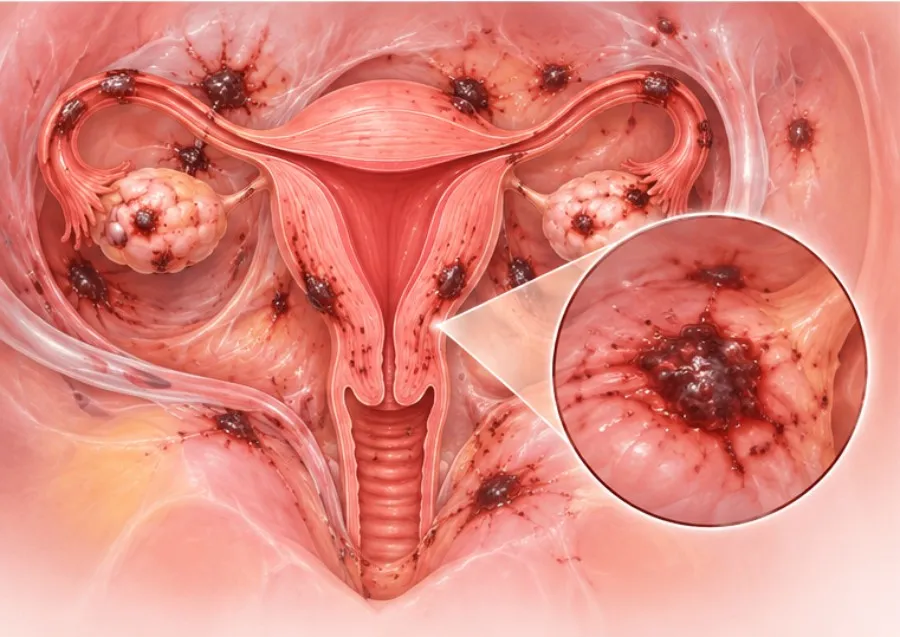
Endometriosis
This involves the development of the endometrial tissue in places other than the uterus.
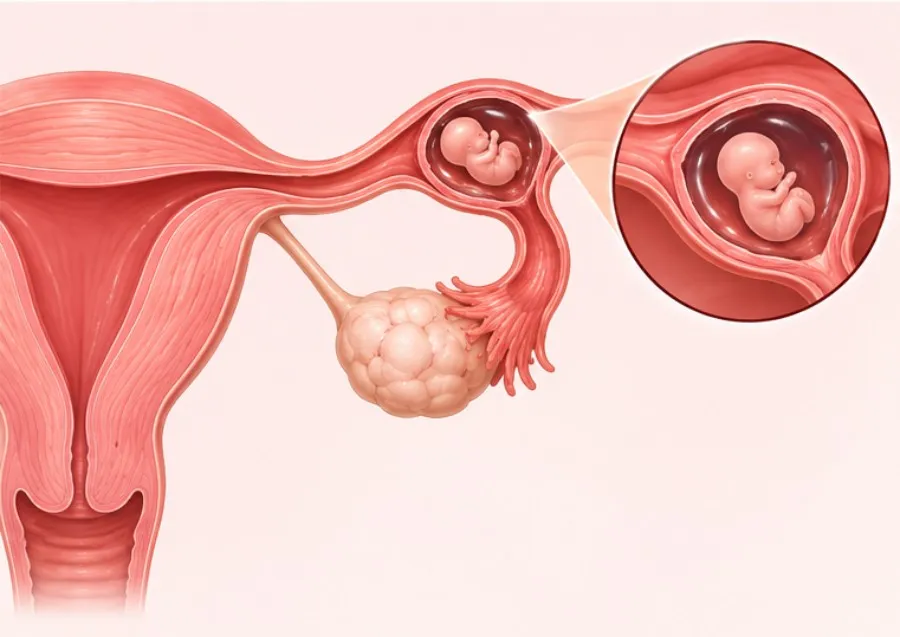
Ectopic pregnancy
From the very name of the disease, it can be deduced that this is pregnancy occurring outside the uterus.
Conditions Treated with Hysteroscopy
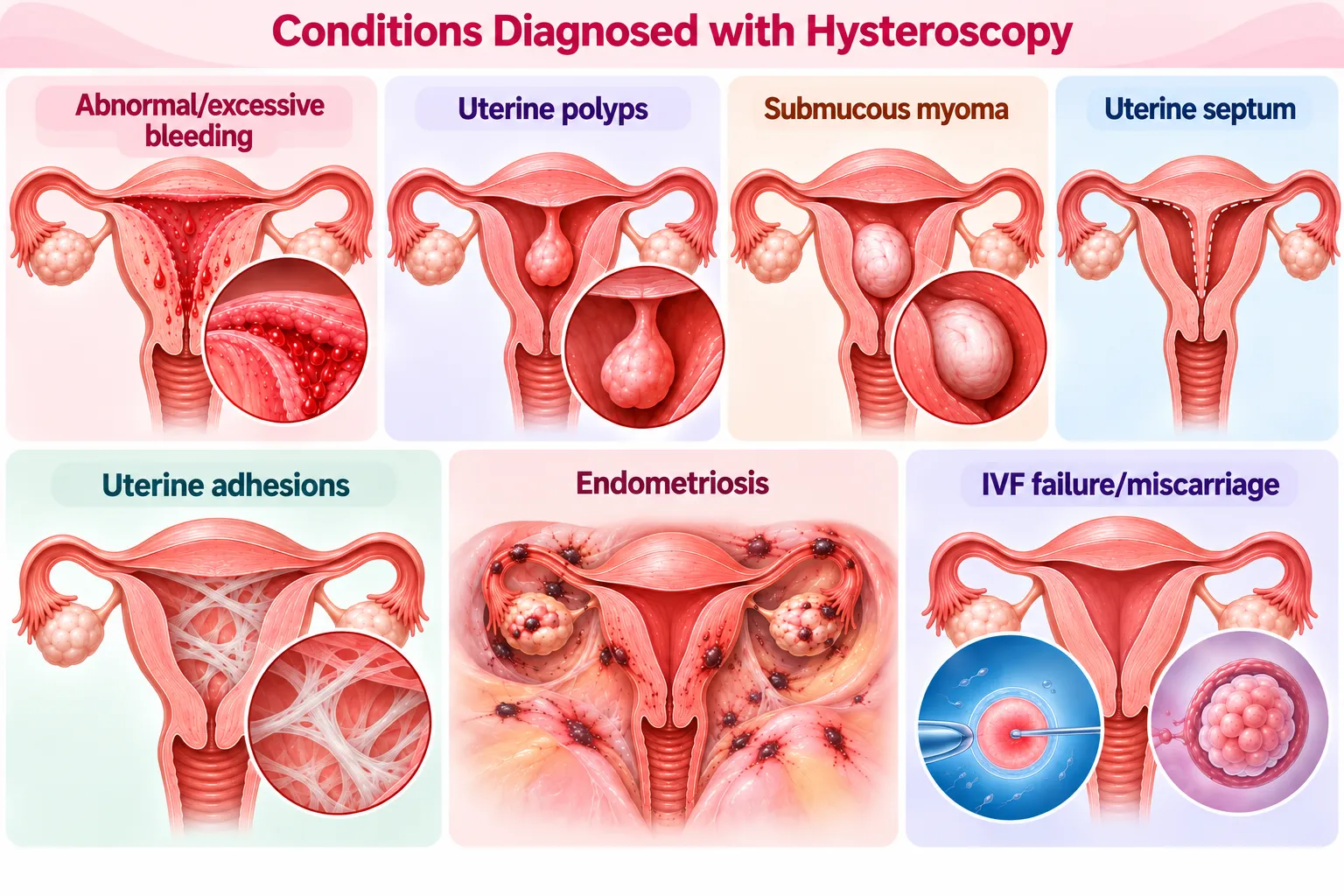

Abnormal/excessive bleeding
Investigation of the uterine lining to find the underlying cause of the problem.
Uterine polyps
Uterine tumors within the uterine lining causing trouble like abnormal bleeding and infertility.
Submucous myoma
Myoma projecting into the uterine cavity.
Uterine septum
Septum within the uterine cavity.
Uterine adhesions
Formation of scars inside the uterus because of an infection/procedure in the past.
IVF failure/miscarriage
Determining the causes of the problem in the uterine cavity.
Signs You Should See a Gynecologist
Book a consultation if you notice any of the following:
Very heavy, prolonged or irregular periods
Unusual menstrual bleeding or post-menopausal bleeding
Persistent pelvic or lower abdominal pain
Period or sexual intercourse pain
Trouble getting pregnant or having miscarriages
Ultrasound diagnoses the cyst or fibroid
Not sure whether you need a procedure?
Book a consultation with Dr. Snehal Patil for a clear diagnosis and personalised advice.
Types of Advanced Laparoscopy & Hysteroscopy Procedures Provided
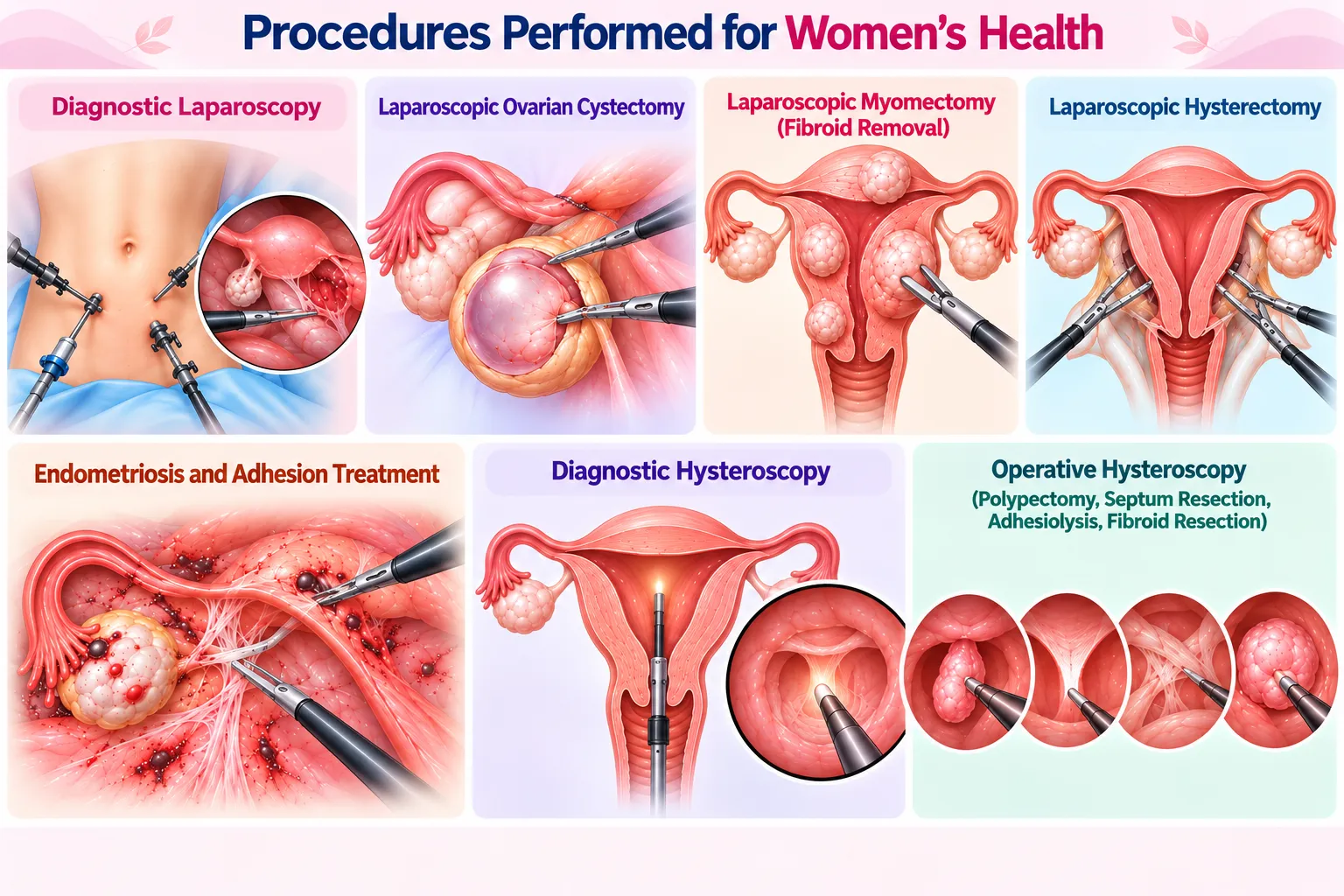
The correct method will depend on your diagnosis, age, and any plans to have children in the future. The doctor will advise you on all possible treatment methods
Diagnostic Laparoscopy
Abdominal approach to performing a pelvic examination. It aids in detecting the origin of the pain and in examining the fallopian tubes and ovaries for any signs of infertility and disease, such as endometriosis.
Laparoscopic Ovarian Cystectomy
The cyst is removed from the ovary while healthy ovarian tissue is preserved as far as possible. It is considered for cysts that are large, painful, persistent or need to be examined further.
Laparoscopic Myomectomy (Fibroid Removal)
Fibroids are removed without removal of the uterus, which is vital for patients wanting to get pregnant in the future. Suitability depends on the size, quantity and location of the fibroids.
Laparoscopic Hysterectomy
Uterus removal using small cuts in the keyhole method where other treatment options may not be possible or where previous attempts have failed. It is determined by considering all factors in consultation with you.
Endometriosis and Adhesion Treatment
Surgical removal of endometrial growths and scar tissue is undertaken to relieve pain and, if applicable, to increase fertility prospects.
Diagnostic Hysteroscopy
A simple process that is performed to view the interior of the womb and determine the underlying causes of irregular bleeding, miscarriage or failure of fertility treatment.
Operative Hysteroscopy (Polypectomy, Septum Resection, Adhesiolysis, Fibroid Resection)
Removal or correction of the polyps, fibroids in the uterine cavity, uterine septum, or intrauterine adhesions is possible using hysteroscopy without making any abdominal cuts.
Benefits of Minimally Invasive Surgery
Compared to open surgery, keyhole surgery is typically gentler on the body. Outcomes may differ depending on the individual, and some illnesses cannot be treated through such surgical processes. Some advantages of keyhole surgery may be:
Smaller incisions
Laparoscopy involves making small cuts, while hysteroscopy makes no cuts.
Less post-surgery pain
There is a lower chance for most women to take painkillers.
Reduced blood loss
Visibility means precise surgery without causing much blood loss.
Hospitalization period
The operation can be performed through day-care procedure or it requires shorter stay in the hospital.
Faster recovery
The recovery period is much shorter than that of open surgery.
Lower chance of infection and good-looking scars
Small cuts heal up better and leave minor scars.
Our Approach to Laparoscopy & Hysteroscopy
Surgical intervention is considered only if it is necessary, and surgery is tailored to you, not a protocol.
Consultation and Examination: Doctor Snehal Patil will listen to your problem, and after considering your medical and menstrual history, he will examine you.
Scans and Tests: Ultrasound and other tests are recommended according to your needs to ensure that the diagnosis is accurate before performing any procedure.
Planning Treatment and Counselling: Your treatment options, along with the benefits and risks associated with it are discussed with you.
The Procedure: This procedure is done under anesthesia, so you will not have any pain during this procedure. Many women either return home on the day of their procedure or after staying for a short period of time.
Recovery and Follow Up: You will be given detailed instructions on how to care for yourself after the procedure.
“A procedure should never be a surprise. When you understand why it is advised and what to expect, you can decide with confidence.”
– Dr Snehal Patil
Laparoscopy & Hysteroscopy Care in Bandra East
Choosing a gynecologist is all about trust. Dr. Snehal Patil makes sure that each and every decision is made transparently and in a confidential manner.
Expertise in Gynecology
With 15+ years of experience, her MBBS and MS degree in Obstetrics & Gynecology and specialization in Laparoscopy & Hysteroscopy, she will be taking care of your health from diagnosis to after care.
Ethics and Individualized Treatment
This procedure is done only if required and according to your age, health status, and reproductive goals.
Transparent Counselling
You are provided information on the procedure, its advantages, disadvantages and options in a transparent manner so that you can make an informed decision.
Confidential and Empathic Care
We listen to your concerns in a considerate manner and value them anytime you like.
Convenient Diagnosis in Bandra East
Appointments are possible at Tanaya Nursing Home, Kala Nagar and Tanishka Polyclinic & Diagnostic Center, Gandhi Nagar, making follow-ups easier.
Women approach Dr. Snehal Patil
for issues like PCOS treatment and menopause treatment in Bandra East.
Take the next step toward feeling better.
Schedule your consultation with Dr. Snehal Patil today.
Frequently Asked Questions About Advanced Laparoscopy & Hysteroscopy
1. What is the difference between laparoscopy and hysteroscopy?
Laparoscopy is done through small cuts on the abdominal region to view the outside surfaces of the uterus, fallopian tubes and ovaries. Hysteroscopy is the examination of the inside of the uterus done via the vagina and cervix without any incisions being made at all. This shall be explained to you by Dr. Snehal Patil
2. Is laparoscopic surgery painful? Is anaesthesia needed?
Laparoscopy surgery will be performed under general anaesthesia; therefore, there will be no pain at the time of surgery. Hysteroscopy may also be performed under anaesthesia or sedation, depending upon whether it is done for diagnosis or as an operation. You may have some pain, bloating, or shoulder pain for one to two days.
3. How long does recovery take, and when can I resume normal activities?
Recovery time will depend on the type of operation being performed and the overall health of the individual. For most of the women, it takes only several days for them to resume normal activities after the hysteroscopy or laparoscopy procedures; however, for some others it takes much more time.
4. Do I need to stay in the hospital?
There are various procedures that can be carried out as day care, whereby you leave the hospital after the procedure is completed. In certain cases, there could be a need for a hospital stay of either one or two days.
5. Can hysteroscopy or laparoscopy help with infertility?
HSG testing can assist in diagnosing and treatment of problems such as blocked tubes, endometriosis, scar tissue, uterine fibroids, polyps, and septum uterus. Whether HSG can increase the chances of conceiving or not is based on what the complication entails. Your doctor will explain to you what this problem is after an examination.
6. Are these procedures safe? What are the risks?
Both methods are very safe procedures if done by an experienced surgeon. Some complications that may occur during surgery are issues such as bleeding, infections, and damage to the adjacent organ.
7. Where can I get advanced laparoscopy and hysteroscopy in Bandra East?
You can contact Dr. Snehal Patil at Tanaya Nursing Home, Kala Nagar, or Tanishka Polyclinic & Diagnostic Centre, Gandhi Nagar, both located in Bandra East, Mumbai. Please make an appointment to see her.