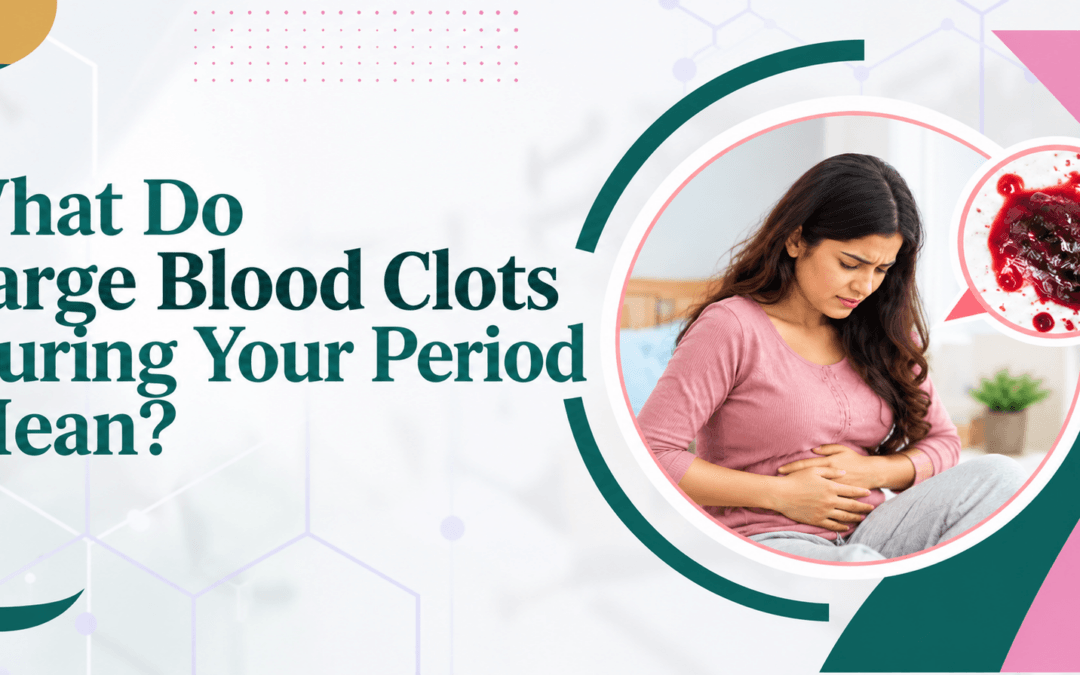
Small clots are normal. Clots bigger than a 25-paise coin, or clots with very heavy bleeding, need to be checked. Fibroids, hormonal imbalance, PCOS, polyps, adenomyosis or even a miscarriage can be the reason.
“A period that keeps getting heavier isn’t something to put up with or wait out. If it keeps happening, come in and get it checked.” – Dr. Snehal Patil, Gynecologist, Bandra East
Are Blood Clots During Periods Normal?
Often, yes. Your body is built to clot blood, which is why a cut stops bleeding. Inside the uterus, it also releases substances that keep period blood thin and flowing. When the flow is light, they keep up and you notice nothing.
When the flow is heavy or fast, they can’t. Blood pools, thickens and clumps. That’s a clot.
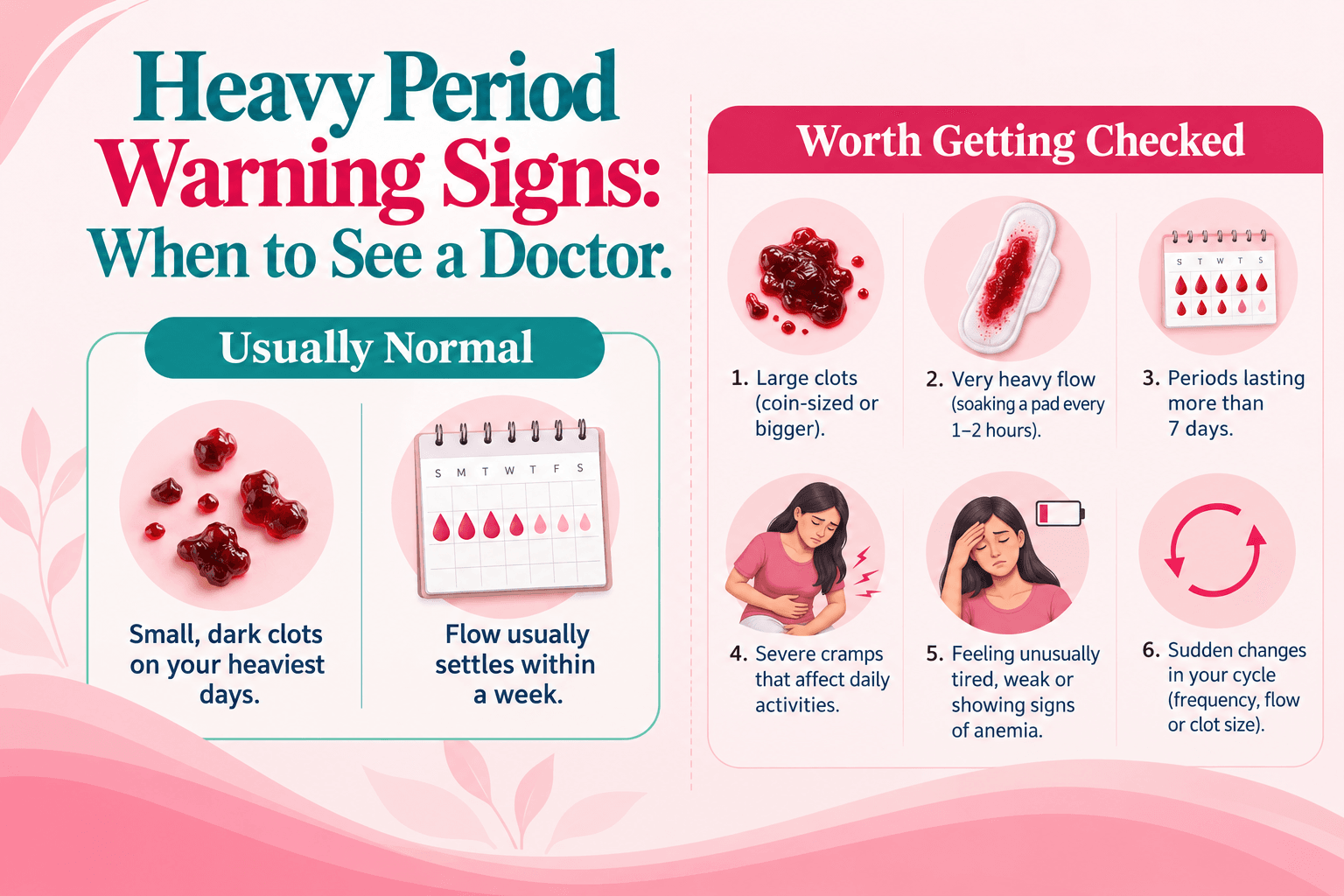
Small, dark red, jelly-like clots on the heaviest day or two are common. Clots larger than a 25-paise coin, clots every cycle, or clots with soaking bleeding or pain are not. That’s your body telling you the bleeding has gone past its usual limit.
Passing clots bigger than a coin?
Don’t wait for the next cycle to see if it settles. Book an appointment today and find out what’s causing it.
What Causes Large Blood Clots During Your Period?
There’s rarely one answer. These are the most common ones.
No. | Causes | How it leads to large blood clots |
1 | Hormonal Imbalance / PCOS | Estrogen builds up the uterine lining, while progesterone keeps it stable. When this balance is disrupted, the lining can grow too thick and shed all at once, often after a skipped period. PCOS may also cause irregular cycles, acne, and excess facial hair. |
2 | Fibroids & Polyps | Fibroids are non-cancerous growths in the muscular wall of the uterus, while polyps develop on its lining. Both can cause heavier and longer periods and may remain undetected for years. |
3 | Adenomyosis / Endometriosis | In adenomyosis, the uterine lining grows into the muscular wall, causing heavy and painful periods. In endometriosis, similar tissue grows outside the uterus and may cause pain during sex and difficulty conceiving. |
4 | Miscarriage or Early Pregnancy Loss | A late period accompanied by heavy bleeding, clots, and cramping may indicate early pregnancy loss rather than menstruation. This can happen before a woman knows she is pregnant. Seek prompt medical evaluation. |
5 | Perimenopause | During the 40s, ovulation can become unpredictable, causing periods to become heavier, longer, and clot-filled. Although this is a common transition, menopause treatment may help manage symptoms. |
When Should You See a Gynecologist?
Book a visit if you notice any of these:
- Clots larger than a coin
- Soaking a pad every hour for a few hours in a row
- Bleeding for more than 7 days
- Dizziness, unusual tiredness or breathlessness, which can point to anemia
- Severe pain that stops your day
- Clots or bleeding during pregnancy (go the same day)
One is enough. You don’t need all six.
“Bleeding with clots during pregnancy should be evaluated the same day, not observed at home.” – Dr. Snehal Patil, Gynecologist, Bandra East
How Are Period Clots Diagnosed and Treated?
It starts with a conversation. How long do your periods last? How many pads on a heavy day? Is there pain? An ultrasound usually follows, to look for fibroids, polyps or a thickened lining. Blood tests check your hemoglobin (Hb) for anemia, and your thyroid, because thyroid problems can disturb the cycle.
Treatment depends on the cause. Hormonal treatment is often used to regulate the cycle and reduce bleeding, and anemia is corrected alongside. Surgery is considered only when it’s needed, for example when medicines haven’t helped or a growth has to be removed.
Why Choose Dr. Snehal Patil?
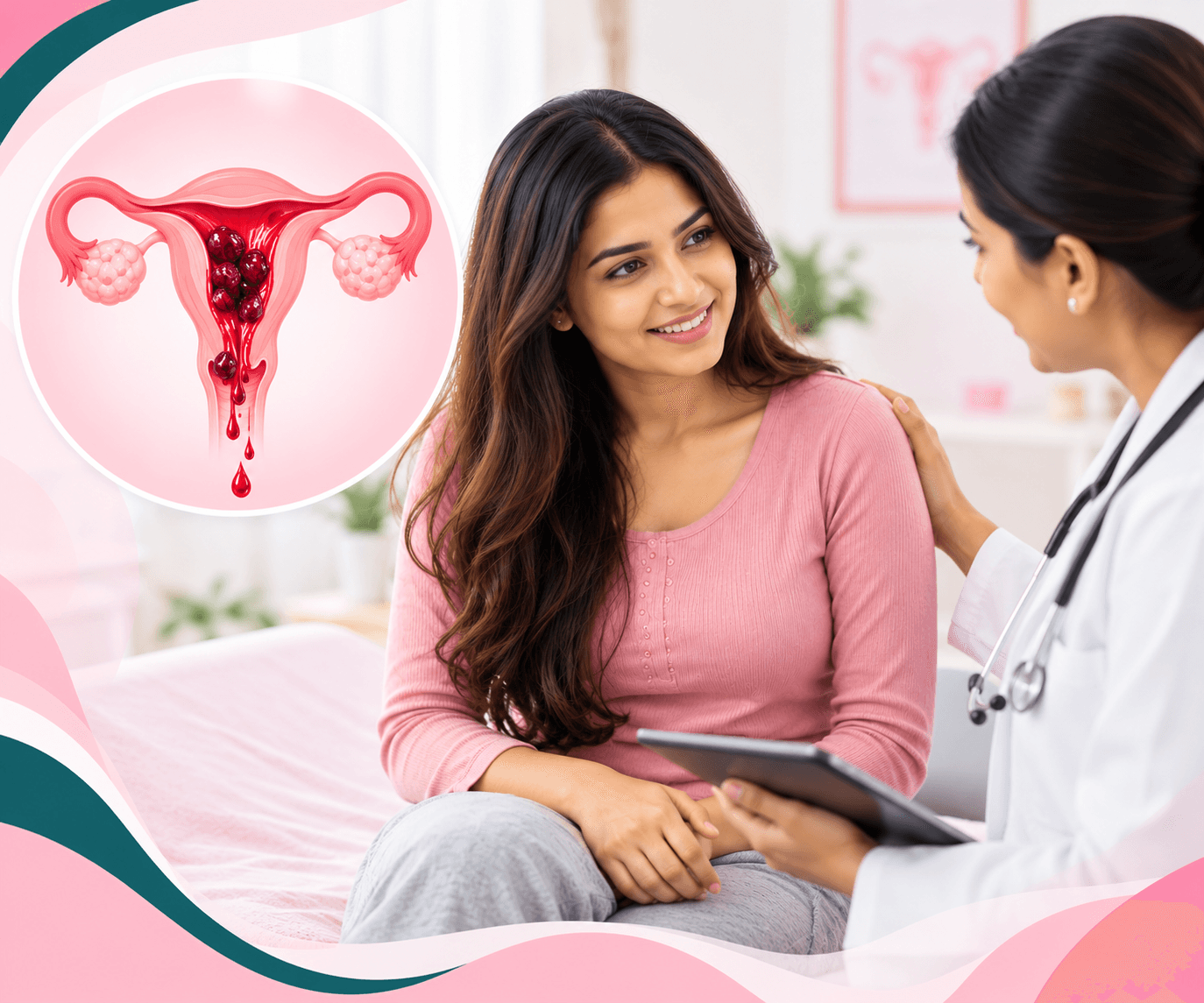
Heavy periods get brushed off a lot. Many women put up with them for years because they think it’s “just how my periods are.”
At her clinic in Bandra East, Dr. Snehal Patil starts by listening, then explains your reports in plain language so you know what’s going on before any decision is made. Treatment is matched to the cause, and surgery is advised only when there’s a real need.
Concerned about heavy periods or clots?
Heavy bleeding is common, but it’s never something you have to live with. Book your consultation now and get clear answers and a treatment plan that fits you.
Frequently Asked Questions
Is it normal to pass clots on the first day?
Can stress cause blood clots in periods?
Do clots mean I have fibroids?
Can heavy clotting cause anemia?
Reference:
https://www.mayoclinic.org/diseases-conditions/menorrhagia/symptoms-causes/syc-20352829
This article is for general information and isn’t a substitute for a doctor’s advice.