
Menopause Treatment in Bandra East
Menopause hits every woman eventually, and it’s rarely simple. Hot flashes, mood swings, nights you just can’t sleep through it all adds up and starts bleeding into your work, your relationships, everything. If you’re in Bandra East, Dr. Snehal Patil is a gynecologist who works with women through perimenopause and menopause and tailors care to what you’re going through, rather than handing out the same advice to everyone.
Visits usually start with a conversation about your symptoms and your history before figuring out next steps, whether that’s lifestyle tweaks, medication, or just keeping an eye on things over time. And if something feels off, especially unexpected bleeding, don’t just wait it out. Get it checked.
Experiencing menopause symptoms?
What Causes Menopause?
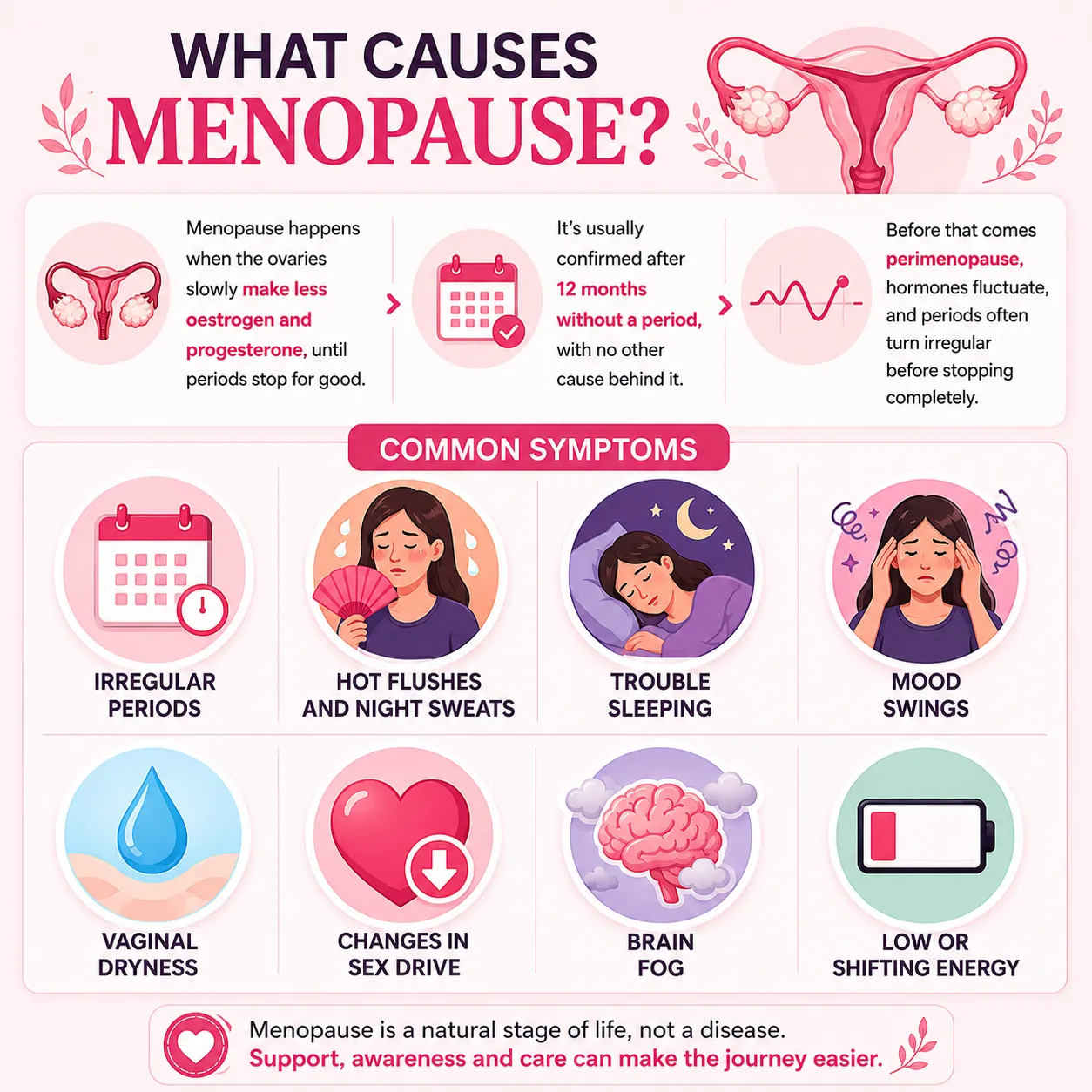
Menopause happens when the ovaries slowly make less oestrogen and progesterone, until periods stop for good. It’s usually confirmed after 12 months without a period, with no other cause behind it.
Before that comes perimenopause, hormones fluctuate, and periods often turn irregular before stopping completely. It’s a very different stage from pregnancy care or fertility planning, but the same attention to a woman’s changing hormones applies throughout, from pregnancy right through to menopause.
Common symptoms include:
Irregular periods
Hot flushes and night sweats
Trouble sleeping
Mood swings
Vaginal dryness
Changes in sex drive
Brain fog
Low or shifting energy
Every woman’s menopause journey looks different, and care should reflect that. My approach is about listening first, then building a plan around what she actually needs, not a standard checklist.” — Dr. Snehal Patil
What Are the Three Stages of Menopause?
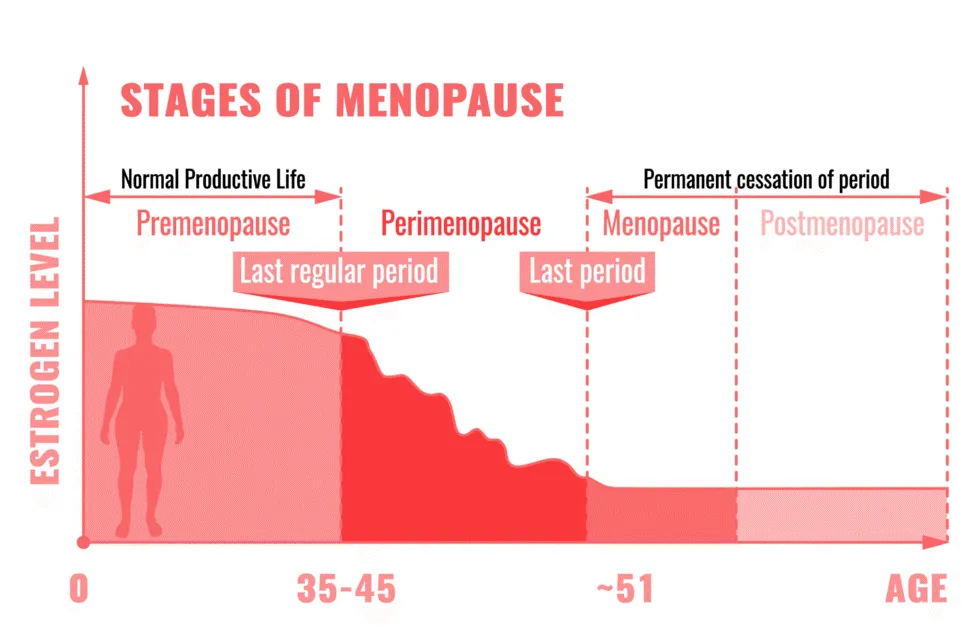
Menopause is a gradual process rather than a sudden change. It usually unfolds over time and is divided into three stages.
Perimenopause
This is the transition leading up to menopause. Hormone levels begin to fluctuate, which can cause irregular periods, hot flashes, sleep changes, and mood changes.
Menopause
Menopause is reached when a woman has not had a menstrual period for 12 consecutive months. Symptoms may continue even after periods stop.
Postmenopause
This is the stage after menopause. Some symptoms may gradually improve, while long-term health concerns such as bone and heart health become more important to monitor.
Types of Menopause Treatment provided by Dr Snehal Patil

Hormone Replacement Therapy (HRT)

Non-Hormonal Medications

Vaginal Estrogen Therapy

Lifestyle & Nutrition Guidance

Psychological & Emotional Support

Bone & Heart Health Monitoring
Discuss your menopause symptoms, treatment options, and ongoing health needs with Dr. Snehal Patil in Bandra East.
Dr Snehal Patil's Approach to Menopause Treatment
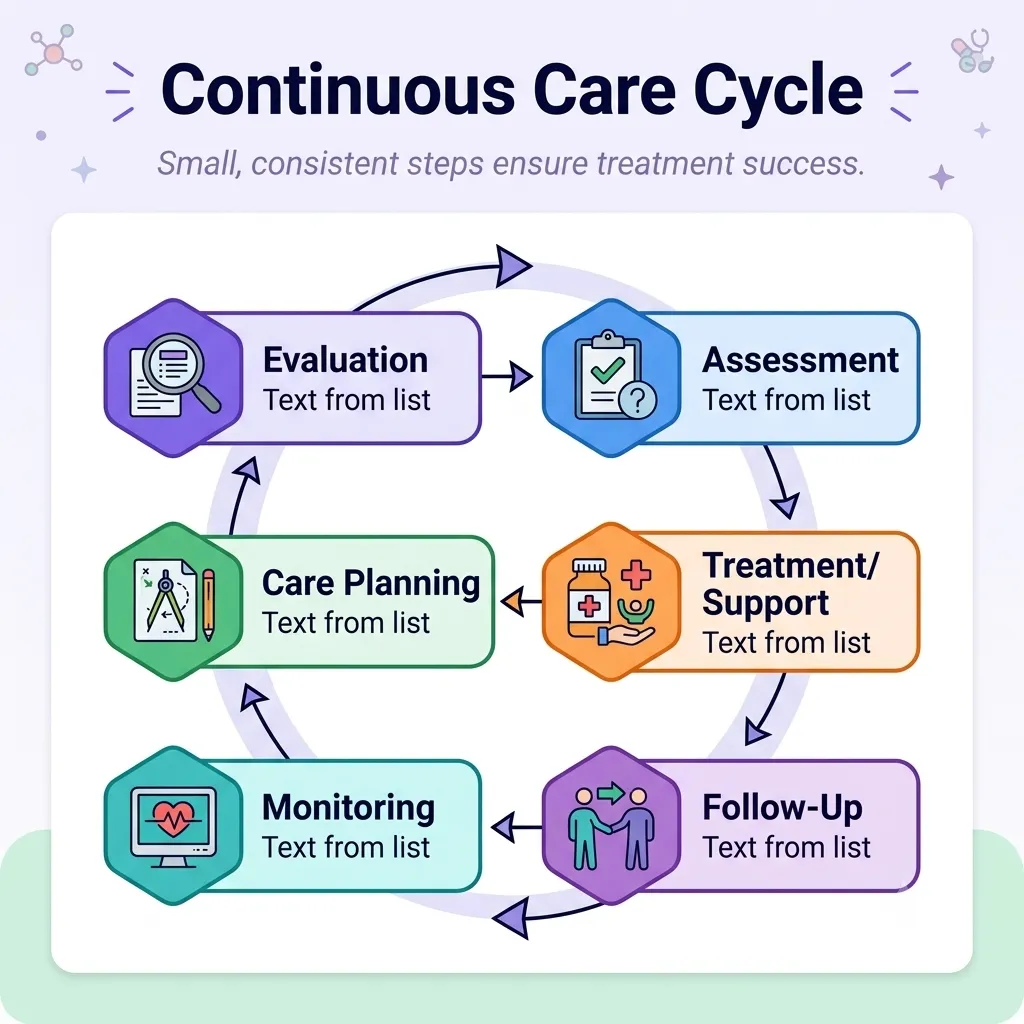
Evaluation
Understand your symptoms, concerns, menstrual history, and overall health.
Assessment
Treatment & Support
Follow-Up
Monitoring
Care Planning
Why Choose Dr. Snehal Patil for Menopause Treatment in Bandra East?
Menopause can involve several changes at the same time, making individual assessment important. Dr. Snehal Patil provides gynaecological care with attention to a woman’s symptoms, medical history, and evolving healthcare needs, including care for normal delivery.
The approach focuses on:
Understanding the patient’s concerns
Individual symptom assessment
Appropriate clinical evaluation
Clear discussion of treatment options
Avoiding unnecessary investigations or treatment
Monitoring response to treatment
Follow-up when clinically required
Supporting women through different stages of life
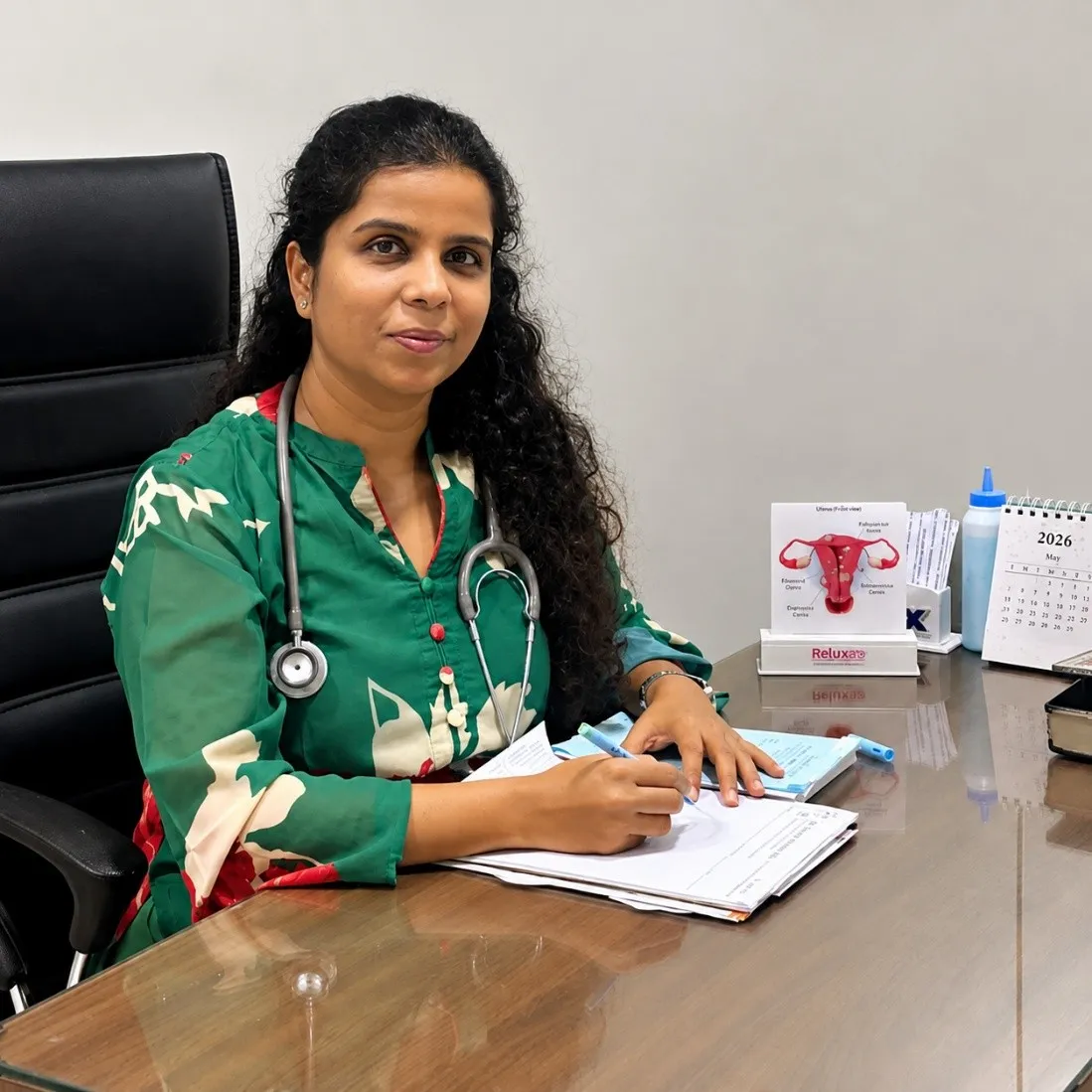
“Menopause isn’t just about managing symptoms. It’s about making sure a woman feels heard, supported, and confident about what comes next.”
— Dr. Snehal Patil
Frequently Asked Questions
1. When should I see a gynecologist for menopause symptoms?
2. Do all women need hormone tests for menopause?
3. Can menopause symptoms be treated without hormone therapy?
4. Is hormone therapy suitable for every woman?
5. Is vaginal bleeding after menopause normal?
6. Can women with PCOS experience menopause differently?
Often, yes, women with PCOS may see different menstrual patterns as they near menopause.