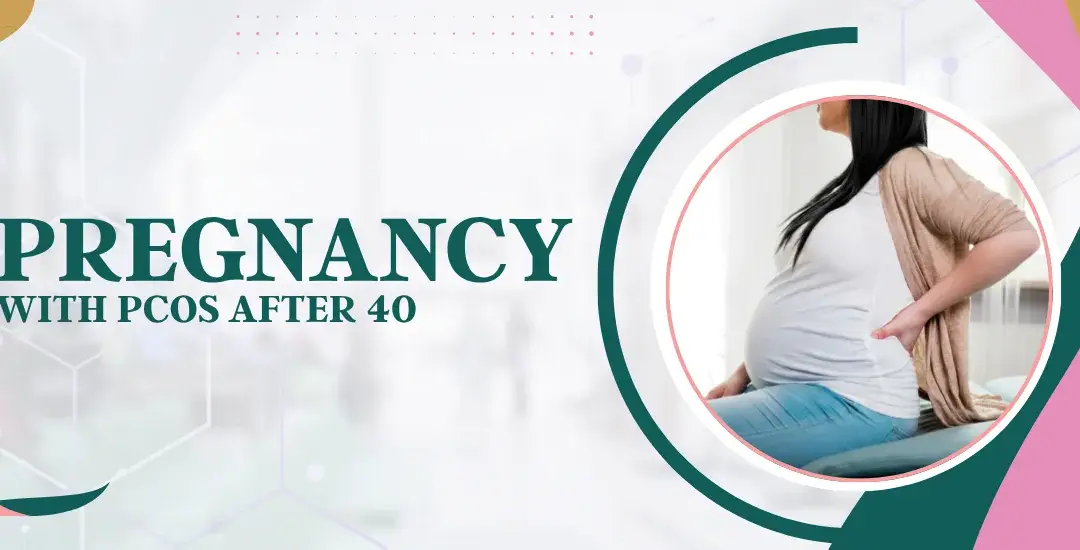
If you’re over 40 and have PCOS, it’s completely natural to wonder whether pregnancy is still possible. While age and PCOS can make conception more challenging, they don’t always stand in the way of becoming a mother. Every woman’s fertility journey is different, and the right guidance can make a meaningful difference.
Speaking with an experienced Gynecologist in Bandra East, Dr Snehal Patil, can help you understand your fertility, evaluate your reproductive health, and explore treatment options that match your needs. The sooner you seek expert advice, the more opportunities you may have to plan for a healthy pregnancy.
How Does PCOS Affect Fertility After the Age of 40?
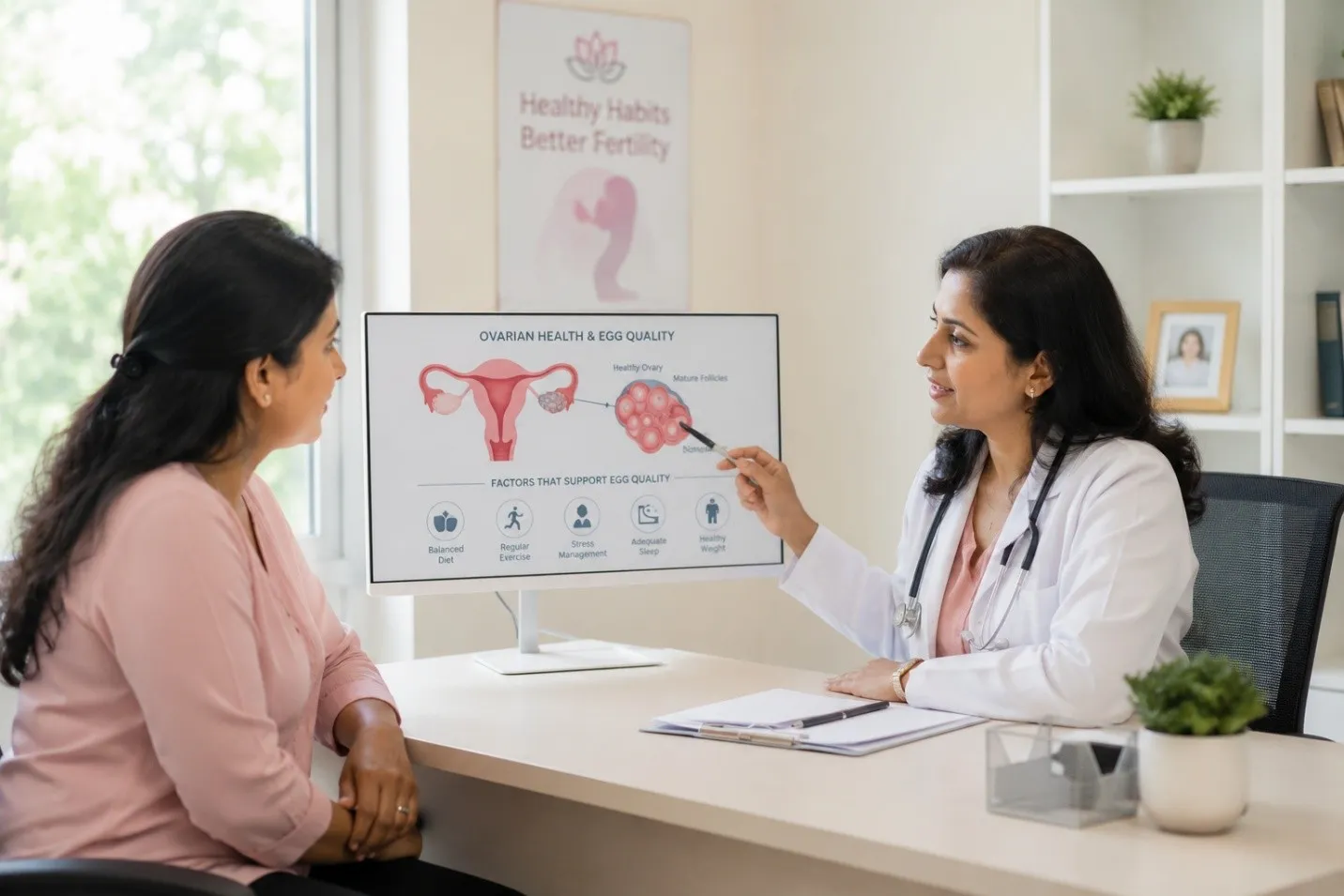
Polycystic Ovary Syndrome (PCOS) can make it harder to get pregnant because it often affects regular ovulation and menstrual cycles. If an egg isn’t released every month, the chances of natural conception become lower. After 40, fertility naturally declines as both egg quality and ovarian reserve decrease, making pregnancy more challenging.
Even so, pregnancy is still possible. With timely diagnosis, healthy lifestyle changes, and guidance from an experienced Fertility Specialist in Bandra East, many women with PCOS can improve their chances of conceiving. A personalized fertility assessment can help identify the right treatment based on your individual reproductive health.
“Pregnancy after 40 with PCOS may require a more individualized approach, but timely evaluation and evidence-based fertility care can significantly improve the chances of conception.”
— Dr. Snehal Patil
How to Improve Egg Quality After 40 with PCOS
While age naturally affects egg quality, healthy lifestyle choices can support your fertility and overall reproductive health. Here are a few simple ways to improve your chances of conception:

Eat a balanced, nutrient-rich diet.
Maintain a healthy weight.
Stay physically active with regular exercise.
Get adequate sleep and manage stress.
Avoid smoking and limit alcohol consumption.
Planning Pregnancy After 40?
An early fertility assessment can help you understand your reproductive health and explore the right treatment options for pregnancy.
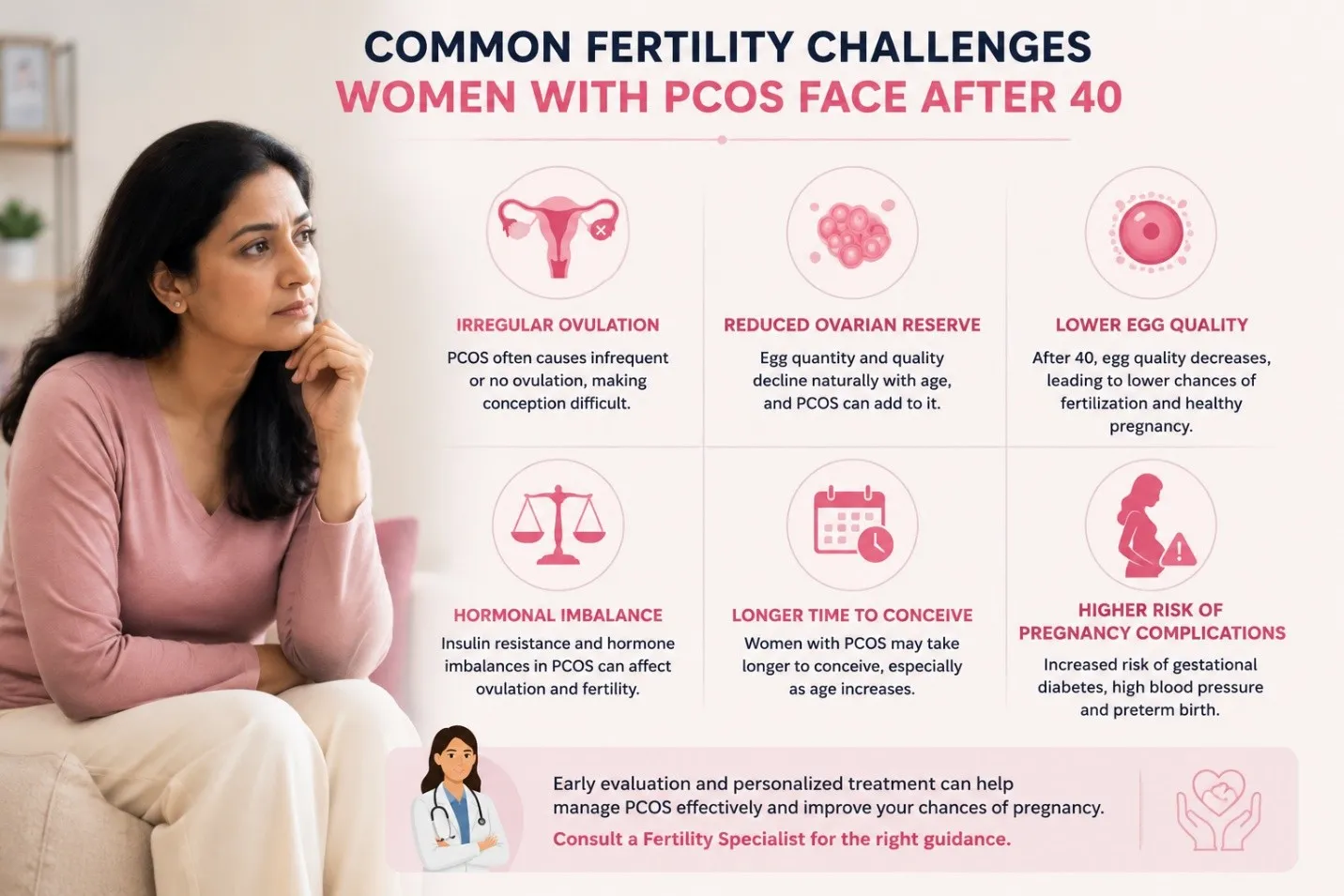
Common Fertility Challenges Women with PCOS Face After 40
As women with PCOS grow older, certain fertility challenges become more common. Understanding these changes can help you make informed decisions and seek timely medical care.
Irregular Ovulation
Irregular or absent ovulation can make it more difficult to conceive naturally.
Reduced Ovarian Reserve
After 40, the number of healthy eggs naturally declines.
Lower Egg Quality
Egg quality decreases with age, which may affect fertilization and pregnancy outcomes.
Hormonal Imbalance
PCOS-related hormonal changes can interfere with regular menstrual cycles and ovulation.
Higher Pregnancy Risks
Women with PCOS may have a higher risk of pregnancy-related complications, making regular prenatal care essential.
Although these challenges can affect fertility, pregnancy is still possible with the right guidance and treatment.
Tests That Help Evaluate Fertility in Women with PCOS After 40
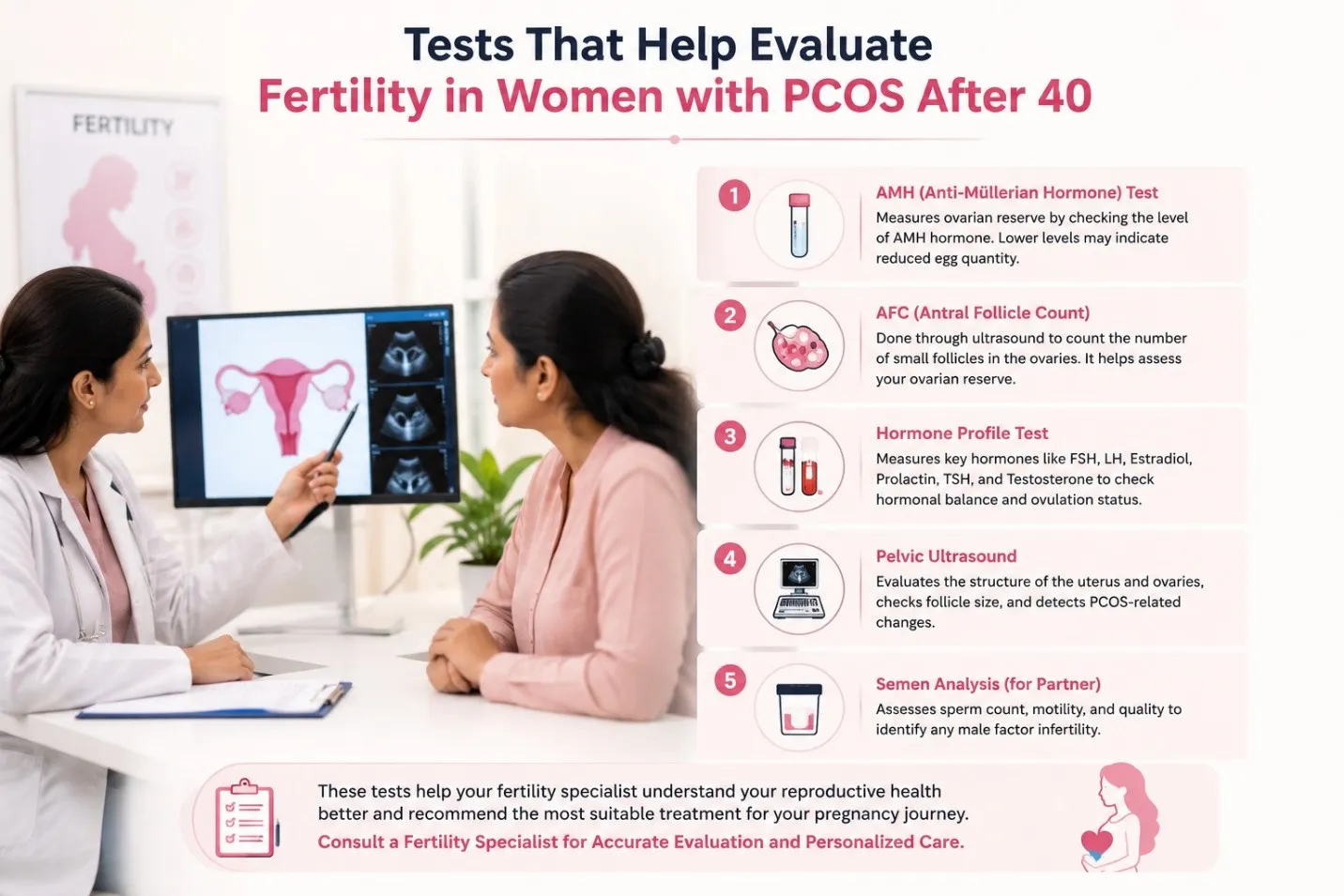
Female fertility evaluation helps identify factors that may affect your chances of pregnancy and guides the most appropriate treatment plan. Common tests include:
AMH Test
Assesses ovarian reserve.
Hormone Profile
Checks hormones related to ovulation.
Partner's Semen Analysis
Evaluates male fertility.
Antral Follicle Count (AFC)
Evaluates the number of healthy follicles.
Pelvic Ultrasound
Examines the ovaries and uterus.
Consulting an experienced Pregnancy Care Specialist in Bandra East can help you understand your results and plan the next steps with confidence.
Lifestyle Changes That May Improve Your Chances of Pregnancy

Healthy lifestyle habits can support fertility, especially for women with PCOS after 40. Small, consistent changes may improve hormone balance and overall reproductive health.
Maintain a healthy weight.
Eat a balanced, PCOS-friendly diet.
Exercise regularly.
Get enough sleep.
Manage stress effectively.
Take supplements only if recommended by your doctor.
Control blood sugar levels.
These habits may improve your body’s response to fertility treatment and support a healthier pregnancy.
“Every fertility journey is unique. A timely diagnosis and personalized treatment plan can make a meaningful difference in helping women with PCOS achieve a healthy pregnancy after 40.”
— Dr. Snehal Patil
Fertility Treatment Options for Women with PCOS After 40
If natural conception is taking longer than expected, several fertility treatments may improve your chances of pregnancy. The most suitable option depends on your age, ovarian reserve, overall health, and fertility assessment.
Ovulation Induction
Medications to stimulate ovulation.
In Vitro Fertilization (IVF)
Fertilization takes place in a laboratory before the embryo is transferred to the uterus.
Intrauterine Insemination (IUI)
Places healthy sperm directly into the uterus during ovulation.
Personalized Fertility Care
Your doctor may recommend a treatment plan based on your individual fertility needs.
Conclusion
A diagnosis of PCOS after 40 doesn’t mean you have to give up on your dream of becoming a parent. Although age and hormonal changes can make conception more challenging, many women achieve successful pregnancies with timely medical care and the right treatment plan.
If you’re planning a pregnancy, don’t wait to understand your fertility. An early evaluation, healthy lifestyle, and personalized guidance can help you make informed decisions and improve your chances of a healthy pregnancy. Every fertility journey is unique, and with the right support, you can take the next step with confidence.
Take the Next Step Towards Parenthood
The right fertility care begins with the right guidance. Consult Dr. Snehal Patil to understand your fertility and explore personalized treatment options.
Frequently Asked Questions
1. Can I get pregnant naturally with PCOS after 40?
Yes. Natural pregnancy is possible, although fertility declines with age. Early evaluation can help improve your chances.
2. Which fertility test is important for women over 40 with PCOS?
Tests like AMH, AFC, hormone profile, and pelvic ultrasound help assess ovarian reserve and fertility.
3. Does weight affect fertility in women with PCOS?
Yes. Maintaining a healthy weight can improve hormone balance, ovulation, and pregnancy outcomes.
4. When should I see a fertility specialist?
If you’ve been trying to conceive for six months without success or have irregular periods, consult a fertility specialist.
5. Is IVF the only option after 40?
No. Depending on your fertility evaluation, treatment may include ovulation induction, IUI, IVF, or other personalized options.
Reference:
https://www.who.int/news-room/fact-sheets/detail/infertility
https://womenshealth.gov/a-z-topics/polycystic-ovary-syndrome
https://www.acog.org/womens-health/faqs/evaluating-infertility
https://www.nhs.uk/conditions/polyendocrine-metabolic-ovarian-syndrome-pmos/
https://medlineplus.gov/ency/article/007694.htm